Lhotse Expidition
Highlights Of The Trip
Difficulty
8/10
High
Activity
Mountaineering
Best Season
April-May
Max Elevation
0 meters
Location
Nepal
Khumbu
Transportation
flight - Jeep - Helicopter
Duration
0 Days
Group Size
1 -15
Starting Date
Apr. 12, 2025
Accommodation
hotel - Lodge - Tent
Price
$0
Food
Breakfast - Lunch - Dinner
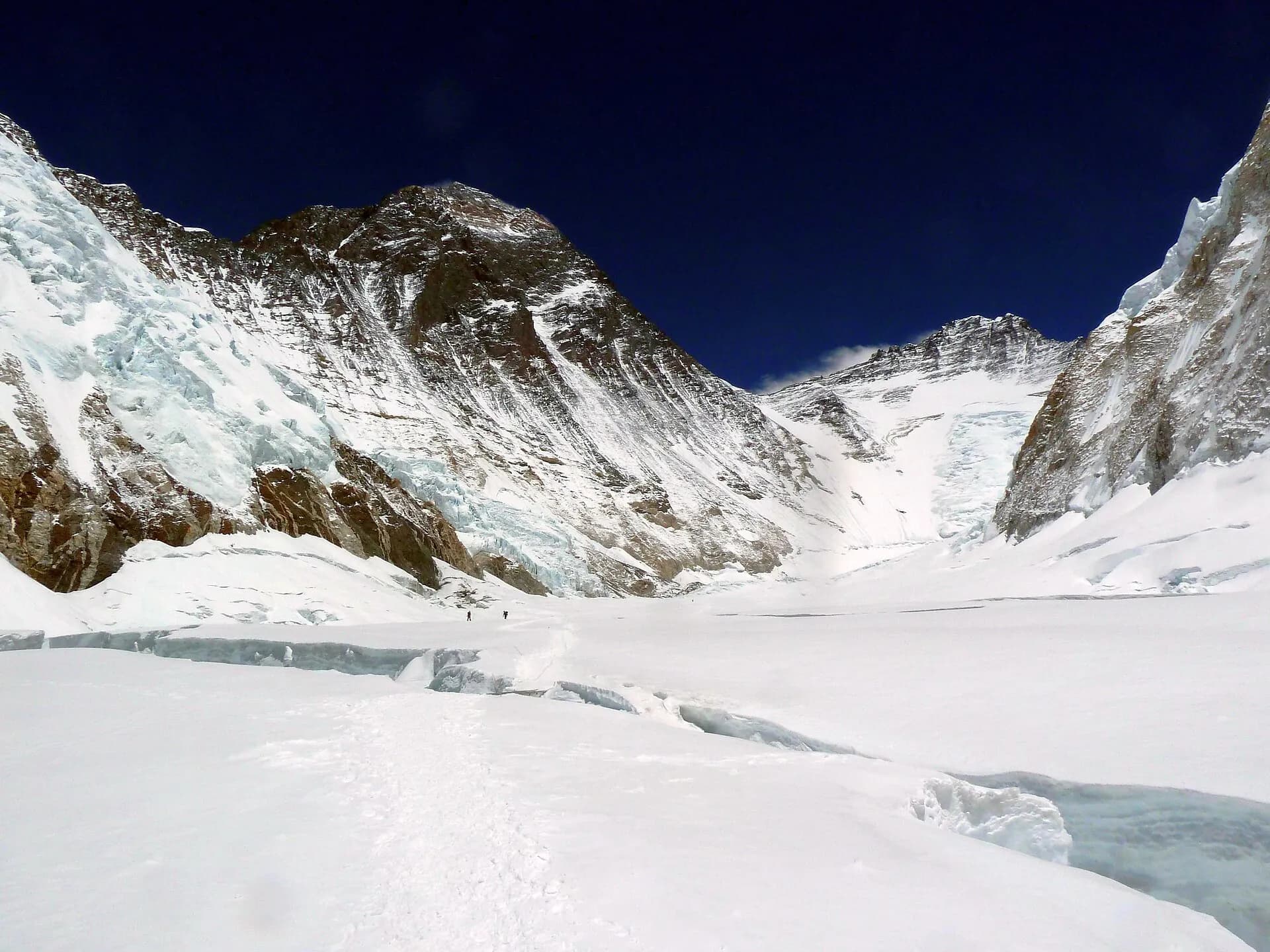
The Lhotse Expedition is a high-altitude climb to 8,516 m in the Himalayas, sharing much of the route with Mount Everest before branching off to a steep, icy final ascent, making it a challenging yet slightly less crowded 8000-meter peak.
Overview
Trip Overview
Overview
Trip Overview
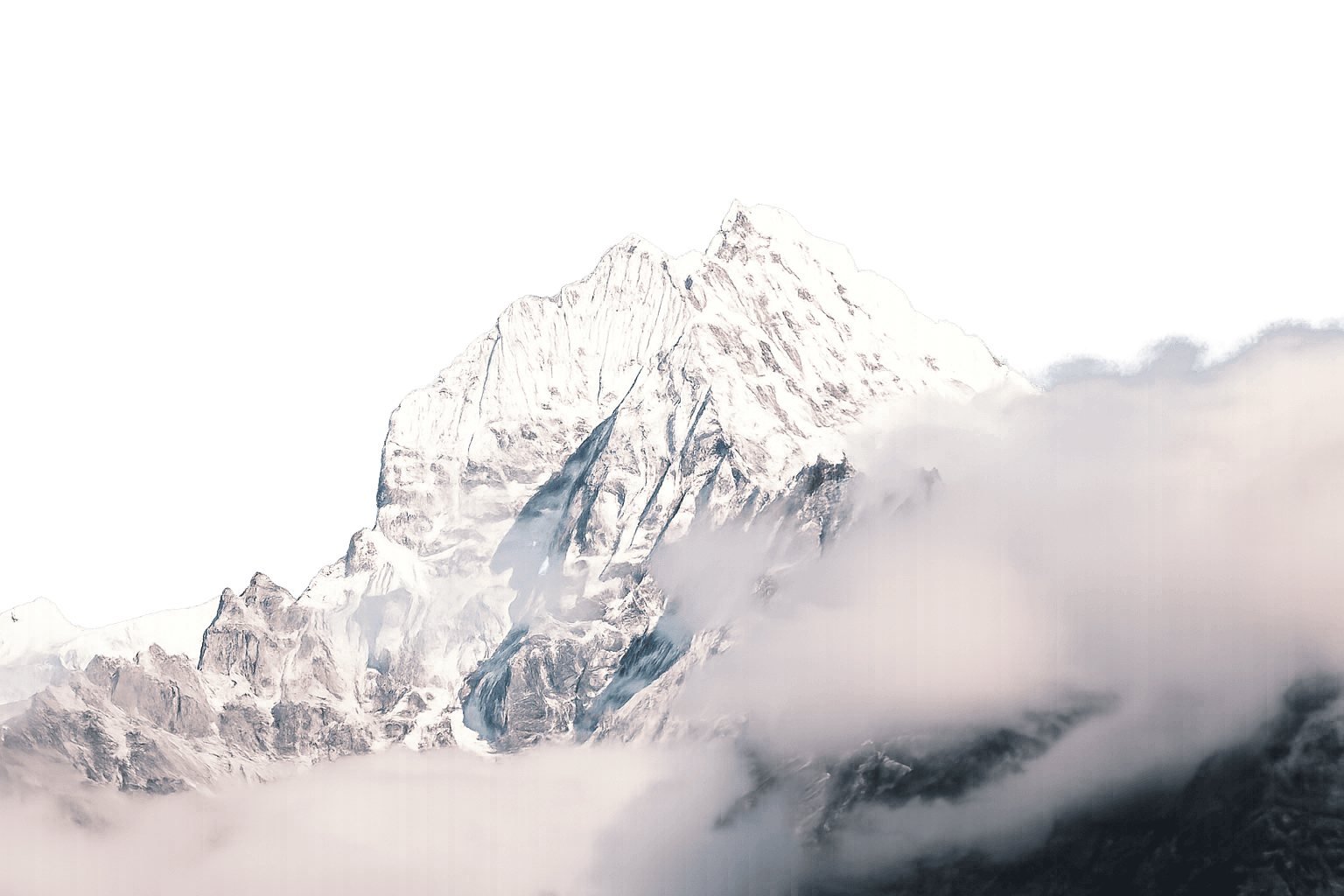
Lhotse Mountain
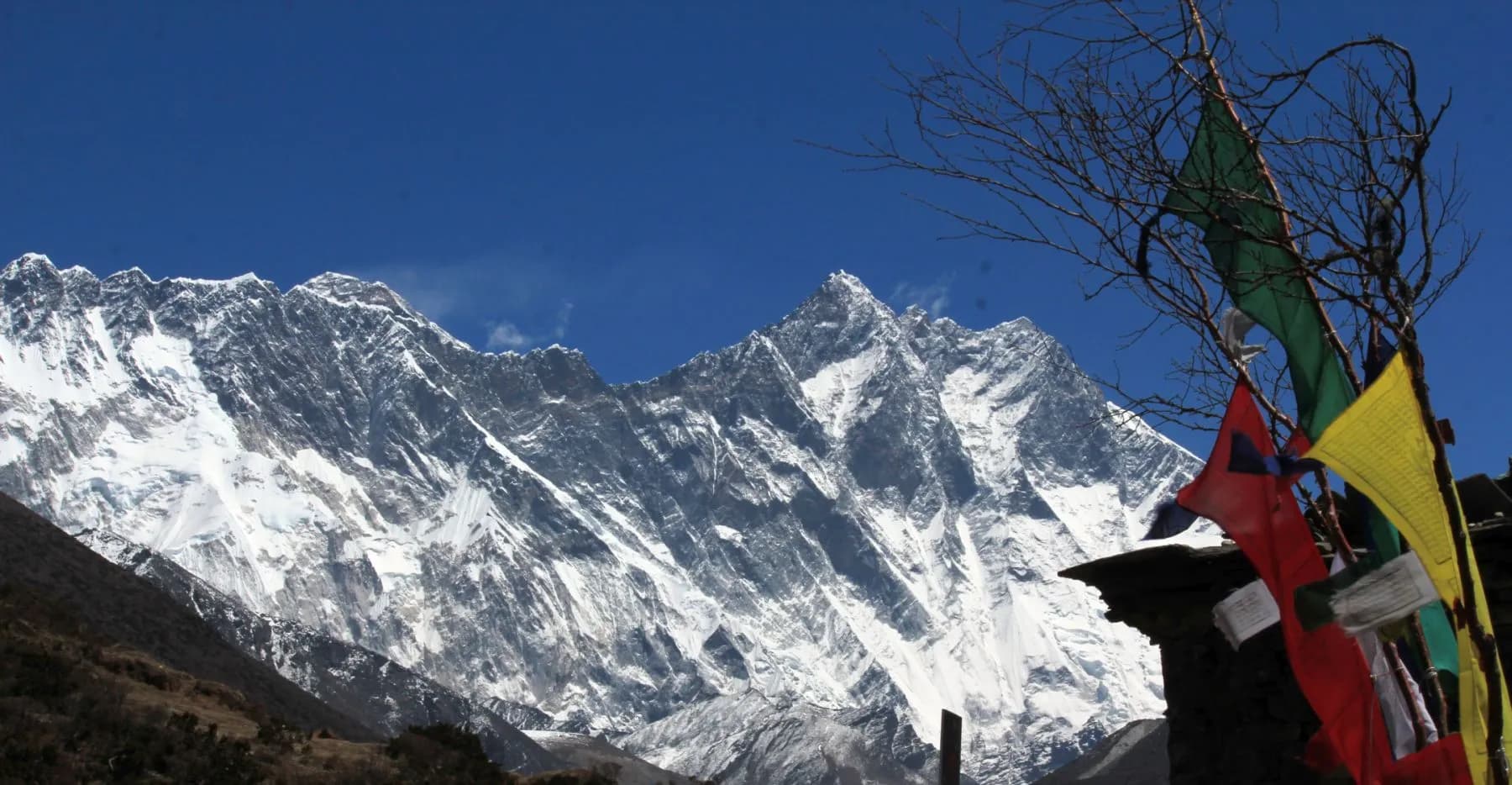
One of the most prominent mountains in the Himalayas is Lhotse which is referred to as the fourth highest mountain in the world. It is also a formidable 8,516 meters above the sea level and borders Nepal and Tibet. Because of its location near Mount Everest, Lhotse is often discussed together with the Everest region and the Everest expedition route. Although Everest attracts the world to focus on it, Lhotse is admired as a mountain with beautiful sceneries, sharp slopes, and challenging weather by climbers.
Place and Relationship with Everest.
Lhotse has a very close relationship with Mount Everest in both geographical and historical terms. The two mountains are linked by the South Col, a high mountain pass that is important for climbers during an Everest expedition. Lot of climbers heading to Everest Base camp and other camps in the area can easily observe Lhotse protruding next to Everest. This close connection makes Lhotse an important part of the Everest expedition experience, especially for mountaineers exploring the southern Himalayan route in Nepal.
Due to this connection, the Lhotse has been referred to as the neighboring giant of Everest. Nonetheless, it is not merely a side mountain. It possesses identity, its climbing history, and its difficulties that need high skills, training, and stamina.
Height and Major Summits
Lhotse possesses three major summits and this aspect of the mountain is even more interesting geographically and mountaineering-wise. They are Lhotse Main and Lhotse Shar and Lhotse Middle. The most popular of them is Lhotse Main which is the highest and the point on which people make most reference when they talk about climbing Lhotse.
There are some distinct features in each summit, yet they all comprise a set of dramatic mountains that ascend abruptly above the surrounding glaciers and valleys. The topography of the mountain contributes to its popularity as one of the most difficult summits of the world.
Climbing Difficulty
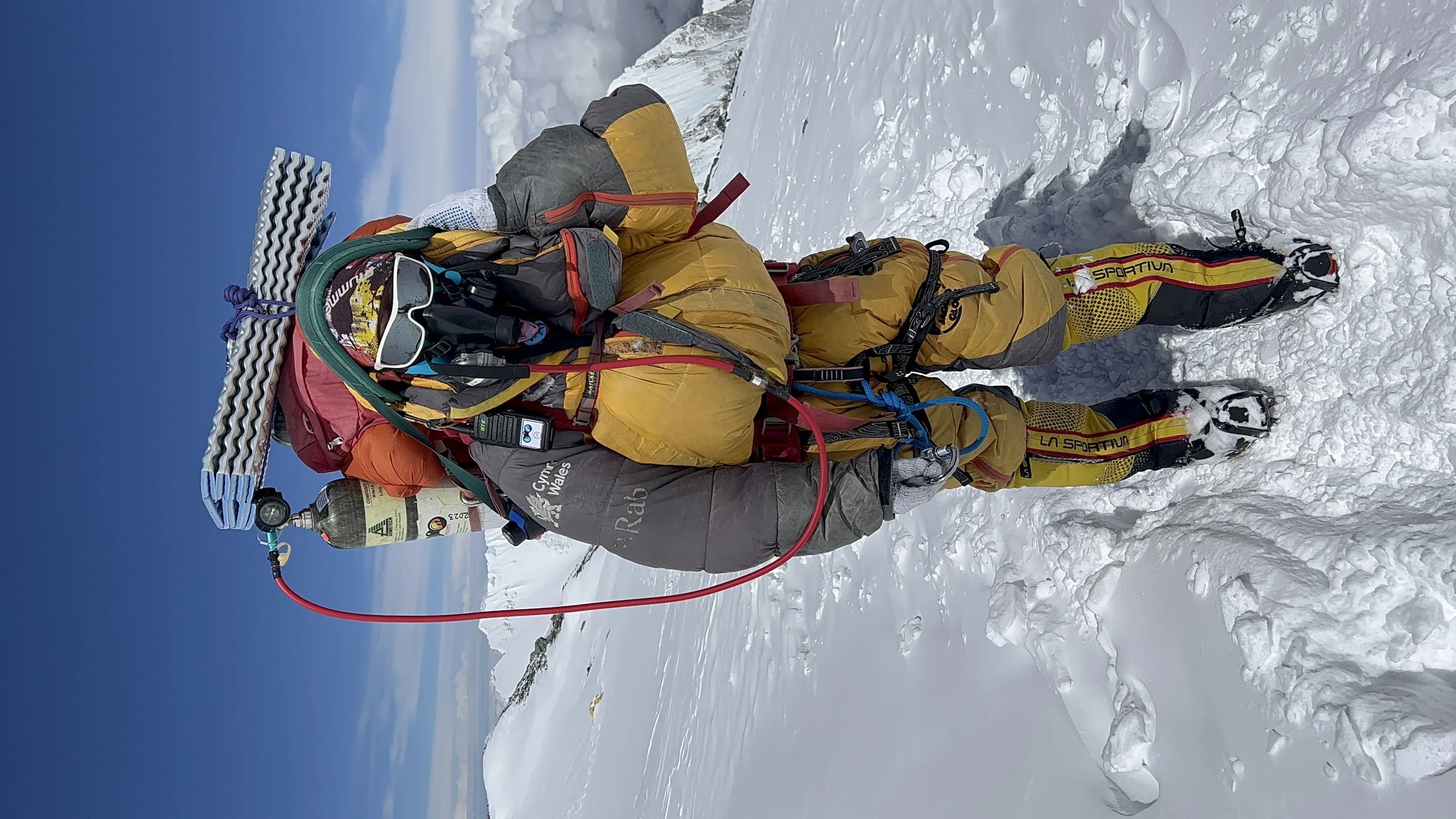
Lhotse is a mountain that is highly regarded as challenging and technical to explore. While many climbers approach it through routes connected with the Everest expedition path, reaching the summit of Lhotse is still extremely demanding. The mountain is steep and having ice in the upper eras of the mountain which will demand good climbing abilities, equipment and experience in mountain climbing at high altitudes.
The peak part is particularly difficult as the climbers have to overcome narrow passages, solid snow, bare rock, and the adverse weather. This is what makes Lhotse a great challenge of physical power and of psychological will. It is not a mountain that can be climbed by novices and only very well prepared climbers dare to climb its peak.
The South Face of Lhotse
The south face of Lhotse is one of the most interesting characteristics of the mountain. It is a massive vertical wall of rock and ice and is said to be one of the steepest faces of the mountain in the world. It has turned out to be a sign of extreme mountaineering due to its difficulty and danger.
The south face has some of the most experienced climbers that are seeking one of the most challenging experiences in the Himalayas. This is a particularly dangerous area due to harsh weather, unstable ice and technical climbing sections. This is why the south side of Lhotse has a unique position in the history of climbing the mountain high altitudes.
Significance in Mountaineering.
Lhotse is a significant mountain in the mountaineering arena. Its proximity to Everest means that it is often mentioned in discussions about Himalayan climbing, Everest Base Camp trekking, and the Everest expedition. High altitude climbers who train or expect to explore the high altitude also study both Everest and Lhotse since they are located in the same region and some of the same climbing facilities.
Lhotse is not just a mountain that is respected in regard to heights, but also the respect that it offers the climbers. To the top is regarded as a significant gain and the mountain is frequently regarded as a real challenge of prowess and bravery.
Conclusion
To summarize, Lhotse is far beyond a mountain that is adjacent to Everest. It is an overwhelming and magnificent summit with high geographical significance and a good standing in the climbing fraternity. It has made it one of the most spectacular mountains on the planet due to its height, technical routes, three summits and massive south face. Its close link with the Everest expedition route adds to its significance, but Lhotse remains a unique and challenging mountain in its own right. Lhotse is an emblem of adventure, of strength, and of extreme beauty of Himalayas to both climbers and mountain lovers.
Explore our journey on Instagram, Facebook & TikTok for photos, videos, and stories
Would you like to ask us in email info@himalayanmountaineering.com.
Itinerary
Day By Day Plan
Itinerary
Day By Day Plan
Day 01:
Arrival in Kathmandu and meet with our representative at the airport and transfer to Hotel. Welcome drink and short briefing about Everest Climbing.
Overnight in Hotel - 1400 meter
Day 02:
Paper work, gear preparation and more briefing about the trip.
Overnight in Hotel – 1400 meter
Day 03:
Full day Sightseeing Trip in Kathmandu Valley with Guide by private car, Overnight in Hotel.
Overnight in Hotel – 1400 meter
Day 04:
Drive to Ramechhap 4 Hour and Fly to Lukla 20 minutes and Trek to Phakding.
Overnight in Lodge – 2800 meter
Day 05:
Trek to Namchey Bazar one of the highest altitude town in the world.
Overnight in Lodge – 3440 meters
Day 06:
Acclimatization day and exploration of Namchey Bazar.
Overnight in Lodge - 3440 meters
Day 07:
Trek to Dibuche
Overnight in Lodge – 3870 meters
Day 08-09:
Trek to Dingboche and Acclimatize for 1 more extra day.
Overnight in Lodge - 4410 meters
Day 10:
Trek to Lobuche
Overnight in Lodge - 4930 meters
Day 11:
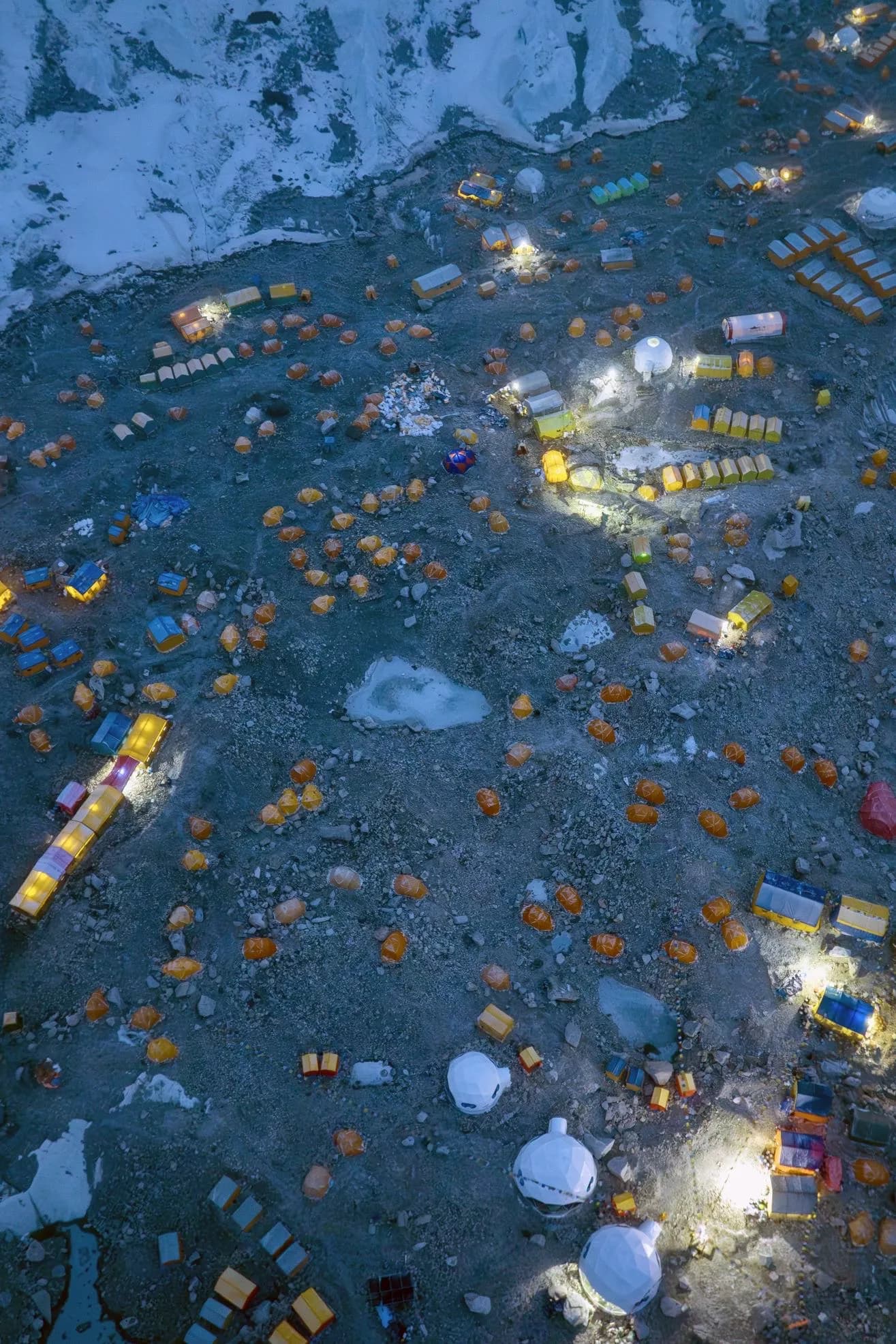
Trek to Lhotse Base Camp
Overnight in Tent - 5364 meters
Day 11 - 41:
We will adapt our body in high altitude by climbing to different camps from Camp 1, Camp 2 and Camp 3. In these 30 days we will prepare our self for summit physically, mentally and by being familiar to high altitude and Lhotse. Our base camp crew and guide will help you in identifying problems and train you for the summit. We will also look for our summit window where we will try to reach to the top of Lhotse in these days looking at stable weather. We will decide when we will push for summit in these periods of time. We have calculated extra days and enough time to summit Lhotse in these dates.
Overnight in Tent - 5300 meters – 7300 meters
Day 42:
We will clean our base camp and preapare to descend to Pheriche tomorrow.
Overnight in Tent – 5300 meters
Day 43:
Trek to Periche from Lhotse Base Camp
Overnight in Lodge - 4371 meters
Day 44:
Trek to Namche Bazar
Overnight in Lodge - 3440 meters
Day 45:
Trek to Lukla
Overnight in Lodge - 2860 meters
Day 46:
Fly to Kathmandu/Ramechhap 20 Minutes and Drive to Kathmandu.
Overnight in Hotel - 1400 meters
Day 47:
Rest Day in Kathmandu and Farwell Dinner
Overnight in Hotel – 1400 meters
Day 48:
After Breakfast Final Departure to International Airport
Gear List
What You Need To Bring
Gear List
What You Need To Bring
Personal Clothing and Layering System
1. Base Layers (Moisture-Wicking):
- Thermal top and bottom (2–3 sets).
- Lightweight and heavyweight options.
2.Mid Layers (Insulation):
- Fleece jacket or softshell.
- Insulated synthetic or down jacket (mid-weight).
3.Outer Layers (Weather Protection):
- Waterproof, windproof hardshell jacket (GORE-TEX or similar).
- Waterproof, windproof hardshell pants.
4.Down Suit:
- One-piece high-altitude down suit or a down jacket and pants.
- Underwear and Sports Bra (if applicable):
- Moisture-wicking underwear (4–6 pairs).
5.Gloves:
- Lightweight liner gloves (2 pairs).
- Insulated gloves or mittens (2 pairs).
- Expedition mittens with overmitts.
6.Socks:
- Lightweight liner socks (3–4 pairs).
- Heavyweight mountaineering socks (4–5 pairs).
- Expedition-grade socks (2–3 pairs).
7.Headwear:
- Warm hat or beanie.
- Balaclava or buff (2–3 pieces).
- Sun hat or cap.
- Glacier glasses (category 4) with side protection.
- Goggles (for wind/snow protection).
8.Footwear:
- High-altitude double boots (e.g., La Sportiva Olympus Mons, Scarpa Phantom 8000).
- Gaiters (if not integrated into boots).
- Camp shoes or insulated booties.
Technical Equipment
1.Harness:
- Lightweight alpine climbing harness.
2.Helmet:
- Climbing helmet.
- Climbing Gear:
3.Ice axe (1).
- Crampons (compatible with your boots).
- Ascender (e.g., Petzl Ascension).
- Descender (e.g., figure-8 or ATC).
- Carabiners (locking and non-locking, 6–8 total).
- Prusik cords (2–3).
- Slings (2–3).
4.Ropes:
- Provided by the expedition team, but check requirements.
Camping and Sleeping
1.Sleeping Bag:
- High-altitude (-30°C/-22°F or lower rating).
- 2.Sleeping Pad:
- Insulated inflatable pad and foam mat.
Accessories
1.Backpacks:
- Large expedition backpack (70–90 liters).
- Daypack (30–40 liters).
2.Hydration System:
- Hydration bladder (optional; may freeze at altitude).
- Insulated water bottles.
3.Navigation:
- Altimeter watch.
- GPS device or smartphone with maps.
4.Lighting:
- Headlamp with extra batteries.
5.Personal Items:
- Sunscreen (SPF 50+).
- Lip balm with SPF.
- First-aid kit (personal medication, blister care, painkillers, etc.).
- Toiletries (toothbrush, biodegradable soap, wet wipes).
- Pee bottle (for cold nights).
- Hand warmers and toe warmers.
1.Snacks and Energy:
- High-calorie snacks (energy bars, gels, dried fruits).
2.Cash:
- For tipping and emergencies in the region.
Packages
Choose Your Package
Packages
Choose Your Package
Budget Cost
$15,000 Per Person
Our Mount Manaslu Climbing Package Includes:
1. All airport and hotel transfer, domestic and international both and Helicopter back to Kathmandu from Sama Gaun after expedition in sharing basis.
2. 3 nights' accommodation at 4-star hotel with breakfast.
3. Meals (breakfast, lunch and dinner) with Tea & coffee and hot/cold filter water during the trek, base camp and all other places than Kathmandu.
4. Lodge during trek and tented accommodation during climbing period on sharing basis. We will have a well settled base camp service with western foods, bakery and bar in Base Camp.
5. Experienced 1 Mountaineering guide and One climbing Sherpa each for one person from Manaslu Base Camp to Summit and back to Base Camp during the climb of Manaslu who will help you for your summit and take care of you during the whole climbing.
6. Porters during the trek to base camp and back.
7. Cook, helper, porters and their food & accommodation, salary, equipment’s & insurance for base camp and high camp services.
8. Camping Equipment’s Tents, Kitchen Utensils and Mattresses with high foods.
9. Oxygen Mask and Regulator with 4 liters of Oxygen Bottle is provided to every member and guide for high altitude.
10. 1 Duffle Bag, Radio Set, Satellite Phone, Map, Weather Report, Heater, Solar or Generator in Base Camp for charging mobile, laptop etc.
11. Manaslu Climbing permit, National park fees, local Fees.
12. Waste, members stool and garbage management fees and all necessary permits.
13. Government Liason officer fees with his equipment, insurance, gears, accommodation and foods.
14. Cost of Rope Fixing Sherpa Team
15. Training of using gears, climbing ladder, rope and other important knowledge and share experience in base camp.
16. First Aid Medical Kit box, frequent medical checkup and necessary emergency equipment’s.
17. Office Service charge and Certificates.
Budget Cost
$15,000 Per Person
Our Mount Manaslu Climbing Package Includes:
1. All airport and hotel transfer, domestic and international both and Helicopter back to Kathmandu from Sama Gaun after expedition in sharing basis.
2. 3 nights' accommodation at 4-star hotel with breakfast.
3. Meals (breakfast, lunch and dinner) with Tea & coffee and hot/cold filter water during the trek, base camp and all other places than Kathmandu.
4. Lodge during trek and tented accommodation during climbing period on sharing basis. We will have a well settled base camp service with western foods, bakery and bar in Base Camp.
5. Experienced 1 Mountaineering guide and One climbing Sherpa each for one person from Manaslu Base Camp to Summit and back to Base Camp during the climb of Manaslu who will help you for your summit and take care of you during the whole climbing.
6. Porters during the trek to base camp and back.
7. Cook, helper, porters and their food & accommodation, salary, equipment’s & insurance for base camp and high camp services.
8. Camping Equipment’s Tents, Kitchen Utensils and Mattresses with high foods.
9. Oxygen Mask and Regulator with 4 liters of Oxygen Bottle is provided to every member and guide for high altitude.
10. 1 Duffle Bag, Radio Set, Satellite Phone, Map, Weather Report, Heater, Solar or Generator in Base Camp for charging mobile, laptop etc.
11. Manaslu Climbing permit, National park fees, local Fees.
12. Waste, members stool and garbage management fees and all necessary permits.
13. Government Liason officer fees with his equipment, insurance, gears, accommodation and foods.
14. Cost of Rope Fixing Sherpa Team
15. Training of using gears, climbing ladder, rope and other important knowledge and share experience in base camp.
16. First Aid Medical Kit box, frequent medical checkup and necessary emergency equipment’s.
17. Office Service charge and Certificates.
Gallery
Trip Gallery
Trip Inquiry
Ask About This Trip
Send your questions, preferred dates, group size, or expedition requirements and our team will get back to you.